
It’s something just about every actor worries about before an audition: What the heck am I going to wear for this thing?
Well, it depends on what you’re auditioning for, but one thing is certain: What you wear matters. The right outfit can help casting directors envision you in a role, while the wrong one can distract from your performance.
Acting coach Amy Lyndon has built her practice around helping actors book work, with a particular focus on mastering the audition process. She covers audition preparation in her online course and discusses it on her podcast, making her the perfect person to consult about what actors should wear to auditions.
Key Insights
- Choose clothing that suggests your character’s personality, genre and tone without turning your audition outfit into a costume.
- Consider the type of audition, production style and camera framing when selecting colors, accessories and clothing.
- Always review casting instructions first, and prioritize an outfit that supports your performance rather than distracting from it.
What Should You Wear to an Audition? Suggest the Character, Don’t Wear a Costume
Casting directors can regale you with stories about the days when nearly every audition was conducted in person, and the kinds of get-ups actors would show up in to make an impression: tool belts, hats, helmets, cop uniforms, tutus, you name it.
The funny thing is, that hasn’t entirely changed. Actors still dress up for auditions, even when they’re submitting self-tapes. But there’s a difference between dressing for the part and showing up in a full costume. The former can help your audition. The latter can become a distraction.
“Don’t make me extend my imagination too much,” Lyndon says. “One of my students went out for [the role of] a priest, but what kind of priest? Contemporary? One from a monastery? One from the dark ages? Is it an American Horror Story priest? Spend more time on the genre, the tone, and the style, [rather] than the specific. Spend time on IMDb, looking at how the costume designers are dressing their people, and using a color scheme.”
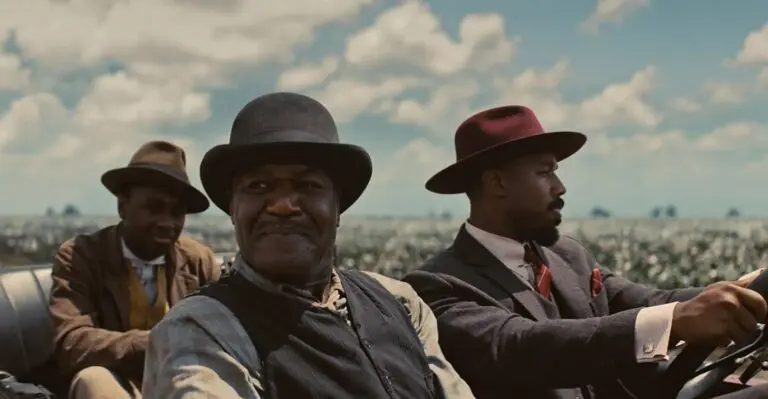
In other words, do your homework. If you’re auditioning for something set in The Walking Dead universe, for example, think muted colors, worn-in fabrics and clothing that looks like it’s survived a few years of the apocalypse. You don’t need to look like you’ve actually been fighting zombies.
The goal is to suggest the character without letting your wardrobe become the performance.
For more guidance on finding that balance, check out Casting Networks’ advice on what to wear in your self-tapes.
General Audition Outfit Tips for Actors
You’ve probably heard the usual audition wardrobe advice: Wear something comfortable, choose solid colors, avoid distracting logos and busy patterns, and pick clothing that flatters you.
Those are useful guidelines, but they’re not universal rules.
“I think there are so many people saying so many things that actors are so confused,” Lyndon observes. “But what I will say is, if you’re auditioning for Target, it would be smart to wear Target red. So let’s be smart, guys. If you’re auditioning for Home Depot, they usually wear a flannel shirt and a T-shirt.”
Her point is that context matters. What works for a gritty television drama might not be the right choice for a bright, upbeat commercial.
Think about the product, the production’s visual style and the kind of person you’re being asked to portray. If it’s a television show, consider the network or streaming platform, the genre and the tone. If it’s a commercial, pay attention to the brand’s visual identity and the people featured in its advertising.
A few practical considerations still apply to most auditions:
- Fit and comfort: Wear something that allows you to move naturally and focus on your performance.
- Colors and patterns: Solid colors generally work well on camera, while busy prints and prominent logos can be distracting.
- Character and tone: Choose clothing that feels appropriate for the world of the production.
- Accessories: Keep jewelry and other accessories intentional, rather than adding them simply to complete an outfit.
You don’t necessarily need to buy anything new, either. Having a few versatile audition wardrobe essentials on hand can make preparing for different roles much easier.
What to Wear to Film, TV, Theater and Commercial Auditions
Are you auditioning for film? Television? Theater? Musical theater? A commercial?
The type of project can influence what you wear, although the basic principle remains the same: Help casting see you in the role.
For musical theater auditions, clothing that allows you to move comfortably is especially important, particularly if dancing or choreography is involved. You can suggest the character through your style, but you generally don’t need an elaborate costume unless the production specifically requests one.
Theatrical auditions follow a similar approach. Your clothing should support your characterization while allowing you to perform naturally.
For film and television, the visual details can become even more important because the camera picks up things an audience sitting in a theater might never notice.
When it comes to on-screen auditions, Lyndon thinks there’s a lot to consider.
“A lot of people struggle with their hair, beard or no beard, jewelry or no jewelry. If you’re gonna do a photo session, try to stay away from jewelry, unless it helps the look of the character. If you’re playing somebody that’s very ethnic, and you’re selling that, then maybe wear a headdress, or dress like [you are] from [that] country.”
When portraying a character from a particular cultural or historical background, however, it’s important to approach wardrobe choices with care. Research the character’s specific circumstances and avoid relying on stereotypes or culturally significant clothing as a shortcut to characterization.
Lyndon points to biblical series like The Chosen and House of David as examples of productions with distinctive visual worlds.
“I’m positive that those people are dressing up for those auditions. If we don’t see it, how are we going to see you in it?”
Of course, that doesn’t mean you need to arrive in period costume. A carefully chosen color, fabric or silhouette may be enough to suggest the setting and help casting imagine you in the production.
“Don’t leave that out of the equation,” Lyndon says, before offering another specific consideration: “A lot of women wear different wigs. If you’re going to do that, then make sure you know which [kind of] wig they [asked for]. Don’t show up with the wrong wig.”
If you’re represented and have several different headshots, Lyndon also recommends asking your agent or manager which photo was submitted for the role. That can offer valuable insight into the look casting responded to and the impression they may already have of you.
What to Wear for a Self-Tape Audition
Interestingly, many of the same wardrobe principles apply to self-tapes. The biggest difference is that you also have to think about how your clothing looks on camera.
Start with your background. If you’re filming against a blue backdrop, for example, wearing a similar shade of blue could cause you to blend into it. Choose something that creates enough contrast to keep the focus on you.
Framing matters, too. Many self-tape auditions use a medium close-up that captures your head and upper torso, meaning the clothing visible in that relatively small area becomes especially important. However, always follow the casting team’s specific framing instructions, which may call for a wider shot or full-body slate.
“Being really clear about your framing, there’s a lot of misinformation out there,” Lyndon says. “The big thing you need to ask yourself is, can they take this scene with what I’m wearing and what I’m doing, and put it into the film or TV show or the commercial? Can they just pick it up and take it and, let’s say, green screen the background? Is it that obvious that I fit in it? Or, are you making people reach so far that it’s going to be difficult for them to imagine it?”
She’s not suggesting that your self-tape needs to look like a finished scene. Rather, your appearance should make it easier for casting to picture you in the world of the project.
Self-tapes also mean actors can audition for opportunities without having to travel to a casting office. That convenience comes with its own challenges, including preparing a professional-looking audition without an in-person team.
For more guidance on camera placement, lighting and presentation, explore Casting Networks’ self-tape audition guide.
How to Dress for the Role Without Overdoing It
The trick is giving casting directors a sense of the character without making them think you’re dressed for Halloween.
Lyndon, who is also a working actor, is a big believer in dressing for the situation rather than following a rigid set of rules.
“I’ve shot in very loud clothing that has got me a lot of jobs,” Lyndon says with a laugh. “So I really don’t like rules. You need to spend a lot of time figuring out where you fit in the industry, and what does that look like? And when you figure out what that looks like, ask yourself, what are they wearing? I think a lot of people who want to do commercials don’t watch enough commercials, they fast forward through them.”
It’s a fair point. If you want to work in commercials, watch commercials. If you’re auditioning for a particular television series, study its visual style. Notice how the characters dress, how colors are used and how wardrobe helps establish the tone.
Lyndon notes that sometimes an actor’s look simply doesn’t align with a production’s established color palette or visual identity. That doesn’t necessarily mean the audition was bad. Casting decisions involve plenty of factors beyond an actor’s control.
Still, understanding the visual world of a project is one more way to prepare thoughtfully.
The goal isn’t to stand out because you’re wearing the loudest outfit in the room. It’s to make choices that help casting remember your performance.
Always Check the Casting Instructions Before Choosing Your Outfit
Before you start pulling clothes out of your closet, there’s one more thing to remember: Check the audition instructions.
Wardrobe guidance may already be included in the casting breakdown, audition request or notes from your agent or manager. Sometimes the production will tell you exactly what to wear. Other times, the character description or scene provides enough clues to point you in the right direction.
“That is one of the things that people forget about,” Lyndon says. “There are plenty of times when they tell you what they want you to wear. Not necessarily in so many words, but they’ll give you a good set of directions.”
If the instructions specify a particular color, style or wardrobe requirement, prioritize that over general audition advice. And if something is unclear, ask your representative or the casting team for clarification when appropriate.
After all, there’s no reason to spend hours agonizing over an outfit when the production may have already told you what it’s looking for.
Final Thoughts: Let Your Performance Do the Work
Choosing what to wear to an audition doesn’t have to be complicated. Start with the casting instructions, consider the character and the world they live in, and choose something that helps bring that vision to life.
As Lyndon points out, there’s no single outfit that works for every audition. What matters is making thoughtful choices that feel right for the role without taking attention away from your acting.
Your wardrobe should help casting see you as the character, but it’s your performance that needs to make the lasting impression.