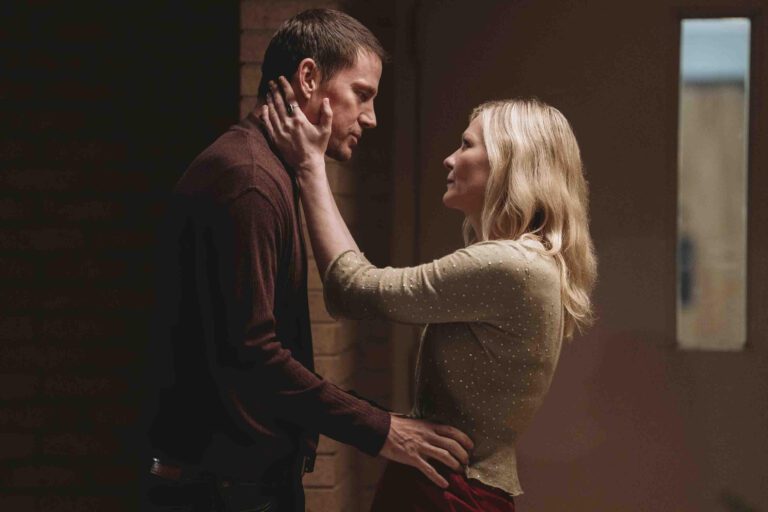

The eyes are the windows to the soul, and actors are expected to keep those windows crystal clear and wide open. While it may seem obvious to the point of condescension that facial expressions impact acting, it’s not often we consider how.
Insights: What You Need to Know About Facial Expressions and Acting
- Study your face to identify natural expressions and use them to inform your character portrayals.
- Tailor your facial expressions to suit the camera’s proximity, ensuring subtlety and purpose in on-screen performances.
- Adapt the intensity of your expressions to the performance setting, from nuanced for film to broader for stage.
Become Familiar With the Topography of Your Face
The structure of your features will, for better or worse, elicit a first impression before acting ever starts. Consider actor Michelle Gomez, who in her interview with Bustle, stated “I was blessed with this face. I was born to play witches and bitches until the day I die with this kind of structure.”
What were you born to play? What do you naturally project? I’ve learned from watching myself on camera that my face naturally registers as intense, which can make any given expression about 40% angrier than I’m feeling if I’m not careful. Watch yourself. Take note of the impression you make on others. Your natural state is the foundation beneath the structure your acting erects.
You may discover some of the natural expressions your facial structure makes. Think about what emotional connection your natural facial expressions make. What subtle shifts in your facial features can evoke a different reaction? What exaggerated expressions can you make to create deeper connections?
How Does Your Face Affect Your Acting Technique?
Getting to know your face and facial expressions, especially on camera, will necessitate adjustments. For example, I have very large eyes, which can often be an advantage in transmitting emotions to an audience. However, it can be distracting on film, as excessive eye movements are amplified on camera.
Things like this don’t mean you have to overthink, it just means you need to cultivate an awareness and be intentional in your choice of expressions so that you can create a better connection on an emotional level. In self tapes especially, I’m now much more aware of my eye line and making every glance purposeful to create a compelling performance.
Consider the Audience You Are Performing For
On a technical note, you’re going to have to adjust your facial expressions and subtle movements and adjust your acting style depending on the medium. On film, the camera might be inches from your face. While actors are often told to “do less” on film, be careful of reeling back to the point you’re not acting.
Acting on camera doesn’t mean you have to erase your facial expressions or create dishonest expressions. Focus on allowing your audience in with your energy. Live right behind your eyes.
Acting on stage, on the other hand, requires you to reach out to the audience, projecting your energy and body language to reach them and establish a direct connection.
Whether it’s auditioning for the casting director or performing in front of a large theater, the size of the space will determine how amplified your expressions can be.
Get in Touch With Your Facial Expressions
If you’re a person who maintains an even aspect in your personal life, you may have to “practice” your facial expressions, core expressions, dramatic expressions and body language.
This sounds contrived, but you must allow yourself to get into the habit of expressing your range of emotions in your personal life so it feels natural when you reproduce those emotions.
As a novice actor, I had deep insecurities about crying on cue, and it wasn’t until I allowed myself to cry more in my personal life that I was able to access tears easily in my acting.
Knowing where those genuine emotions live in your body allows you to bring ready expression to them.
If you’re struggling with uncovering these emotional expressions, consider taking time for yourself to meditate, checking in with your combination of emotions as you experience them during daily life, or even talking to a therapist and breaking down any internal barriers that might be blocking your emotions (and therefore your expression of them).
People are drawn to faces. We are constantly scanning and analyzing each others’ expressions in daily life, and the same is no less true when watching films or plays.
While the art of expressions can sometimes be a tough nut to crack, bringing organic subtlety and specificity to your facial expressions is a major part of making your acting believable and grounded for an authentic performance.
Thinking about joining Casting Networks? Sign up for a free trial today!
You may also like: