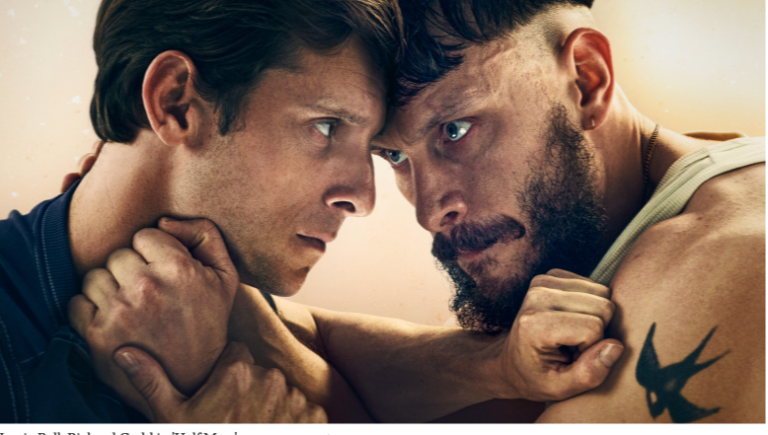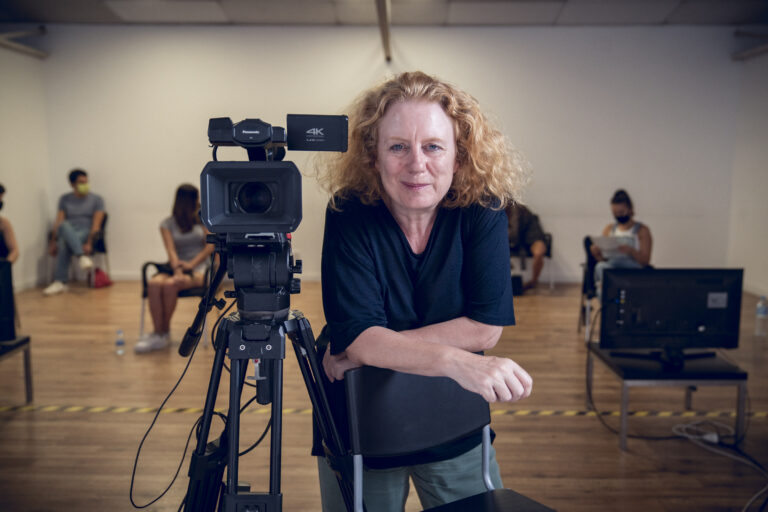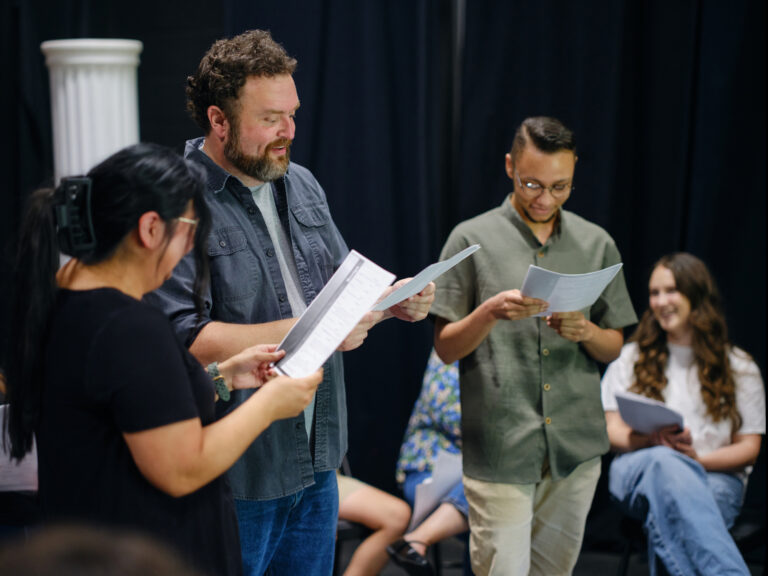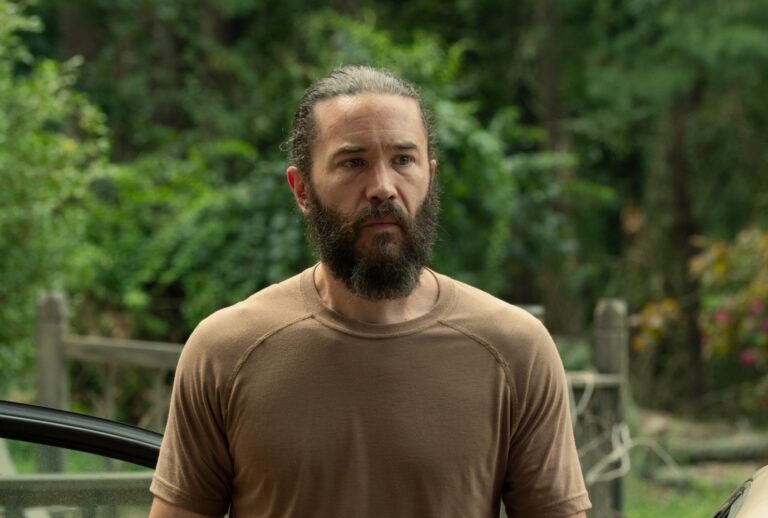

Emmy-winning creator and star Richard Gadd of Baby Reindeer returns with Half Man, a six-episode HBO limited series that tracks two brothers, Niall and Ruben, from a turbulent adolescence in Scotland to their fractured adult lives.
It is a study in broken masculinity, repressed trauma, and the stories we carry in our bodies long after childhood ends.
Key Insights
- The actors who stand out are the ones who resist obvious choices and instead bring layered contradictions, like strength with vulnerability or stillness with internal conflict.
- Chemistry isn’t forced, it’s recognized, so focus less on “creating” it and more on being present and responsive with your scene partner.
- Don’t over-intellectualize the full arc of a character, because staying connected to instinct and the moment often leads to more truthful, compelling performances.

Gadd wrote the first episode of Half Man before he even began Baby Reindeer. The core idea was clear from the start: “You take two men that are kind of broken in their adult life and you go back to their childhood in a more unaccepting time as U.K. society, and show all that learned behavior and the kind of repression that they soak up, and the trauma that they experience. And you contextualize the adults and how they’ve got to this point of broken masculinity in the present.”
Executive producer Sophie Gardiner distilled the series down to its emotional spine: “It’s about how what happens in the past impacts upon the present.”
That structural premise, adult and young versions of the same character running in parallel, created a specific and demanding casting challenge. Gadd and Jamie Bell would portray Ruben and Niall, respectively, but casting needed to find a pair of actors who could play them younger.
A Long Audition Process
Gadd was candid about how hard finding the right young actors actually was. He saw a wide pool. “A lot of people came in through the audition process. We saw amazing Rubens and Nialls, so many talented young people in Scotland and England, and all kinds of actors in the U.K.”
But most actors made the same assumptions about who these characters were, Gadd noticed. With Ruben, a physically imposing and volatile young man, many leaned into blunt force.
“A lot of people thought, well, if Ruben’s like the epitome of masculinity, I’m going to have to shout every line, I’m going to puff my chest.” With Niall, the more internal brother, many went in the opposite direction, playing him as passive or physically slight.
Stuart Campbell was eventually cast as the younger Ruben, and Mitchell Robertson nabbed the role of younger Niall. Both got the roles because they understood something more complicated was being asked of them.
“Ruben is vulnerable in his own way as well, and that’s what I thought Stuart captured in spades,” Gadd pointed out. “And then Mitchell … a lot of the people played Niall kind of meek, like they had to be kind of slight in their bodies. But he’s a guy shuffling through his own internal conflicts, and I thought Mitchell did that so beautifully.”
When Campbell and Robertson came together for their chemistry read, something clicked immediately. Robertson described it less as building rapport and more as recognizing it. “When we did our first chemistry read, we really got on kind of as soon as we met each other. It felt a little more, instead of like building the chemistry, just kind of nurturing it and letting it grow. And the more we got to know each other, the more it kind of just naturally happened.”
For Gadd, the chemistry read was almost a formality by that point. The duo’s grasp of the language, the rhythms of the speech, the way they moved inside the characters, had already told him what he needed to know. “They just offered such a window into the soul of the characters,” he said about the young actors.
Campbell noted that the darker material in Ruben’s character was always present on the page, but that the rehearsal process was focused on something equally important. “We did work in the rehearsal process and on set to make sure that we kept the lightness every day consciously, making sure that we continued to see this sort of unspoken connection between us.”
Withholding the Scripts on Purpose
One of the more striking production decisions Gadd made was to keep episodes 4, 5 and 6 of Half Man away from Campbell and Robertson entirely. (The two only appear in the first half of the series.) The adult versions of Niall and Ruben undergo significant transformations, and Gadd did not want that knowledge anywhere near the younger actors.
“We wanted them to stay close to the instincts that they captured in their auditions,” he explained. “There was always a worry that if we have too much knowledge of where the characters are going, that would maybe influence things in the wrong way. What I loved about these two actors was that they brought such vivacious youth to things. If you know how corruptible adults can be, would you then lose a bit of that youth?”
It is a meaningful lesson for actors working in any multi-timeline project: sometimes the most powerful choice a director can make is protecting what an actor does not know.
Campbell said the collaboration remained alive throughout the process regardless. Gadd was present at auditions, rehearsals and on set every day. “There was a constant sort of conversation happening, and we could lean on Richard if need be,” Campbell stated.
“He said really early on that he didn’t want to inhibit my performance or take away any sort of spontaneity or anything that we could find on the day, truthfully or organically. So, there was no kind of fixed idea, but conversations were always happening.”
Violence in Service of Truth
Half Man does not shy away from the violence of male behavior. Gadd was deliberate about why. “Anything in it which is challenging, violent, depraved, whatever, is born out of character and born out of story,” he explained.
“I never think it’s cheap. I think where sex and violence fall down on television is where it’s gratuitous or where it’s frivolous. Every time you see a piece of violence, or every time you see something challenging within the show, it leads to plot development, leads to character psychology going deeper. In a show where you explore the extremities of male violence, you have to show how extreme that can go. Otherwise, you’re robbing the audience of the truth of this big theme that we’re grappling with right now as a society.”
Gadd was equally resistant to reducing his characters to archetypes. “I don’t see them as heroes or villains. I think everyone’s a mixture of good and bad, and everyone’s done things they regret and things that they are proud of. For all of Ruben’s faults, he runs on a river of pain. And I think pain makes people do crazy things — things that aren’t acceptable. At the end of the day, they’re all going through their own human struggles, which makes them who they are. I would never want to boil it down to good versus evil.”
Half Man airs Thursdays on HBO Max.