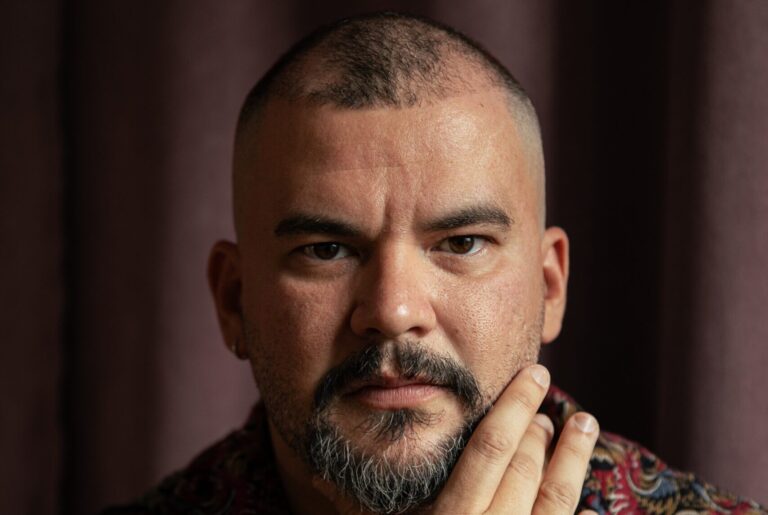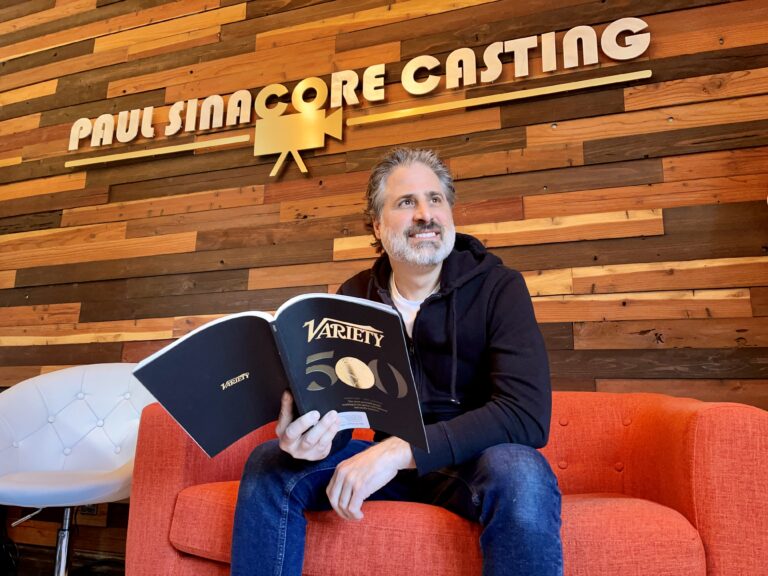

It’s easy to say that Sparkle Hickey has a scintillating career, but it wouldn’t be too far off. Once a prolific commercial and music video casting director, she has since moved into the world of indie film and TV movies. There’s also been a fair amount of reality TV mixed in, which just hammers home how versatile she is. Her latest film, Unexpected Christmas, will have a theatrical release on November 7. She spoke to us from her home office in LA.
Key Insights
- Sparkle Hickey built her career by moving fluidly between commercials, music videos, indie films, and TV movies, sharpening different creative and strategic muscles in each space.
- She believes relationship-building on indie projects is foundational, often leading to long-term opportunities as collaborators grow in the industry.
- Despite budget limitations, she approaches every project and actor possibility with openness, emphasizing that conversations can lead to unexpected casting wins.
How did you get into casting in the first place?
So, I’ve been “casting” since I was an undergrad. I went to school in Nashville, and at that time, there wasn’t a big entertainment scene there. It was a couple of little community theaters and college theater groups. So whenever we needed talent, I would be hands on, involved in asking people, “Hey, you want to come down and audition?”
When I graduated and moved to LA, a friend that I went to college with was working at this television show, That’s So Raven. She said, “Hey, they are looking for somebody. I remember you did this in college,” and was I interested? I said, “Yeah, sure.” So I went in, and I absolutely loved it. I don’t even remember if I got paid, to be honest, but I remember I was there all day long, and I absolutely loved it.
What was it you loved so much about it?
I thought I moved out here to be a talent manager. I had worked in a couple of talent manager offices, and it was just boring. It was just nine to six, sitting at the desk, answering phones, replying to emails, very administrative. Casting is very administrative as well, but at that time, it seemed very much more fast paced, people in and out, answering questions.
You could see people being nervous, and then getting in the room and doing their thing. It reminded me a lot of American Idol, just a bunch of people coming up and expressing themselves, and everybody has a different take on the same material. So yeah, the variety and the hustle of the day was very different from the management side.
I have talked to a lot of casting directors over the last two plus years, and nobody has ever made that analogy of American Idol before, and it is dead-on.
(Laughs) Honestly, American Idol was just starting when I was in college, and I just remember that was the only part of the show that I watched. I didn’t even watch them get to Hollywood. The auditions were the only interesting part.
Do you enjoy it as much now that the business has changed so much? I mean, I’m assuming that you don’t get to have people in the room nearly as often as before, because nobody does that.
Not having people in the room does take away from the experience. But I still enjoy it. So the short answer is, yes, but I’ve been doing this for a lot longer now, and I’m able to offer guidance in a different way. Maybe not always direct feedback, not as often as I would if you’re in the room, but more of a high-level feedback that I wasn’t able to offer when my career was just starting.
What was the path that got you from That’s So Raven to being on your own?
Even after That’s So Raven, I wasn’t 100% sure that I wanted to do casting. I felt, “Oh, that was a fun experience. It was just a summer temp job,” and then I went back to grad school for communication studies, with a focus on human performance.
I was still temping at different management companies, I think, when I finished grad school, and I just was honest with myself and said I’d much rather do casting than be a talent manager. So I started working with the casting director Anissa Williams, and was working in tandem with her, because she was transitioning at that time from doing music videos to commercials, so I came in and cast the music videos.
I worked with her for about five years, and then you just get to the point where you think you can do everything, so I might as well do everything. (Laughs)
At that time, I was getting a lot of feedback that I didn’t have enough IMDb credits, since I was doing primarily commercials and music videos, and there were no IMDb credits for that. So I decided to get more, and began working in indie films.
I love the indie film world and the juxtaposition of doing a small, shoestring budget film with a bunch of creatives who are just passionate about making something happen, with a commercial that has probably the same budget, if not more, as what the film would have. That works a different muscle. Being able to vacillate between the low-budget indie films and commercials was where I really cut my teeth.
There must have been some pretty interesting lessons you learned bouncing back and forth.
Yeah, the negotiations are different. The deals are different. With commercials, there really wasn’t a whole lot of negotiation. People are happy to book a commercial. But, with the indie film — an indie film could go nowhere, or it could go really far, you just never know.
So, yeah, you learn a lot. I actually feel I learned more doing indie films, and that’s why I still do them. The industry is changing so much, the casting process has changed so much, it’s how you’re able to keep your finger on the pulse of what people are experiencing through that.
What was the transition from that into a lot of the TV movies that you’re doing now?
Transitioning from the commercial and music video world to the indie film world, I always tell people that is where relationships are built. You don’t really sign on to those projects for a big payday. You sign on to those projects because you believe in them.
Building those relationships, when people move on to another production company or network, they have you in their Rolodex. People look out for you after you’ve worked with them before. That’s what I appreciate and preach and emphasize, not only to talent, but also to a lot of new people in the industry, because people want to shake hands with people who are already at the top, but you’ve got to meet people on your level, because everybody’s going somewhere.
So basically, the philosophy is, be nice and work hard and it will pay dividends.
I think so, yeah.
When you’re casting an indie, there is certain talent that is going to be out of reach to you. I would imagine for the made-for-TV movies you do, as well. How do you maneuver in that world, dealing with that dichotomy?
I hope I don’t sound delusional, but I try not to limit myself. If I’m reading a script or listening to a concept and somebody pops in my head, it doesn’t matter how big the name is, I consider them an option. So, yes, in reality, there are budget constraints, which ultimately is the only thing that matters.
They can create limitations, but I like to think everything is possible, and if we can have the conversation, you just never know. What I do know is, actors, especially now, considering everything that’s going on, no matter how big their previous deal was, they’re a lot more interested in working. So I think everything is worth a conversation right now.
Your newest film is a Christmas movie. Is there anything different about casting one of those?
People just appreciate the wholesomeness of a Christmas film, a family film, something with that formula. If the script is good, the budget constraints can be a challenge, but like I said, I try not to let that lead the conversation, because I don’t know that anybody is signing on to one of these movies for a big payday.
It’s work. You read the script and if you connect with it, you do it.
What piece of advice or wisdom would you give to an actor coming in to see you?
My advice, as cliche as it sounds, is, be prepared. Preparation goes a very long way, because I know people often just want to get by off the strength of their natural talent, and there is no shortage of talented people in this industry.
Obviously, that’s why we’re all here, but the amount of people that are putting in the work preparing, bringing their own thoughts to a scene are a lot fewer, so that is what is going to help you stand out, and to stand out in a good way.
Key Takeaways
- Versatility is essential in the modern casting world, where workflows and expectations continue to evolve.
- Nurturing relationships at every level—not just with gatekeepers at the top—creates lasting industry momentum.
- Actors stand out most when they arrive prepared, thoughtful, and willing to bring their own interpretation to the material.
You may also like: