
It often feels like the big, 22-episode behemoth network procedural has become an anachronism, but the truth is, those shows are still enormously popular. Dick Wolf’s Chicago shows on NBC, the new batch of FBI shows on CBS, they draw big numbers, and a casting director has to be at the top of their game to handle that kind of a load.
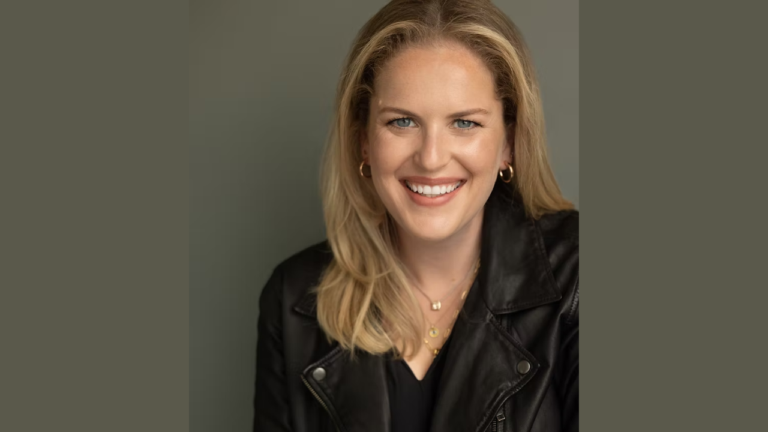
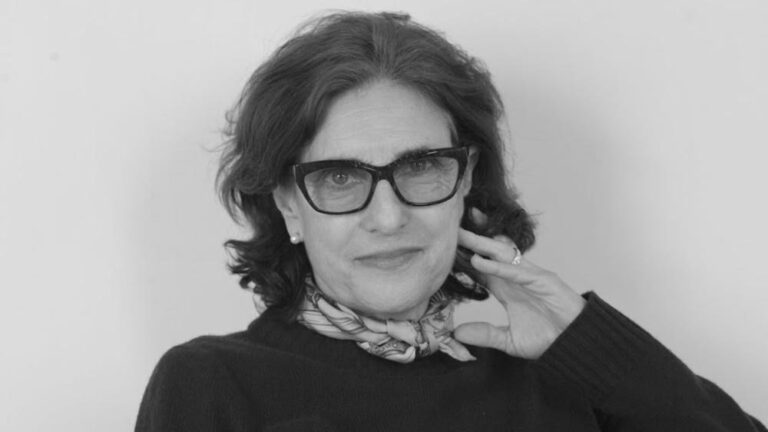
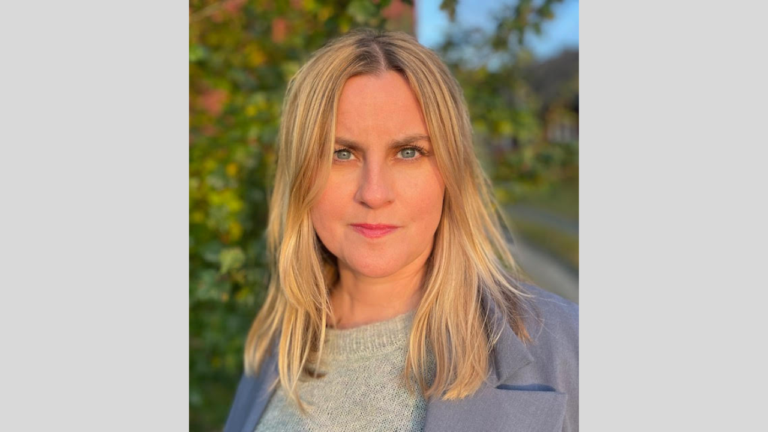
This is especially true when said casting director is handling multiple shows at once, but that’s Rikki Gimelstob for you. Chicago P.D., FBI: Most Wanted, FBI: International, these are all her shows, and if that’s not enough, she’s also got the brand-new CIA series coming in February. Talk about being at the top of your game. She spoke to us from her home office in New York City.
Key Insights
- High-volume network procedurals require casting directors who can balance speed, scale, and creative discernment across multiple shows at once.
- A great audition is defined less by technical perfection and more by clear choices, grounded performances, and moments that inspire writers and producers.
- Casting for long-running series prioritizes actors who can grow with a role and sustain creative collaboration over many seasons.
How did you get started in casting?
Well, I was a theater nerd growing up, and went to University of Michigan as a theater major, and my first or second semester freshman year, I got involved in this Gilbert and Sullivan opera group.
Like you do.
Like you do, and I ended up being the assistant to the director, and I loved it. I loved the whole process of putting on this opera, and she suggested I change my major to something other than performance. They have a program there called the BTA, the Bachelor of Theatre Arts, where you make your own theater program.
I did whatever I wanted to do, and then I thought maybe I’d be an agent. So I interned at Abrams Artists Agency [now A3 Artists Agency] in their commercial department, and loved it. I had no idea what an agent did, and the woman I was working with, Tracey Goldblum, who’s this icon in the commercial world, she suggested I try casting.
What made her suggest that?
I think she saw that, when she would get the breakdowns in, rather than looking at it from her point of view, of who could she pitch, I was thinking, “Oh, who would I want to see for that?” Just of the theater people I knew, not necessarily of her clientele. So she helped me get an internship the next summer in casting, and I just completely fell in love.
What was it about casting that spoke to you?
I think it was so cool, especially at that time, as an intern, I’m seeing these actors who I just idolized, and you’re working with them, and you get to see them really digest the material and think about how they’re going to do it.
When you see so many different actors, so many great actors, put their own spin on something, it’s amazing. It’s interesting. I was just thinking about this because I just went to see The Queen of Versailles with Sherie Rene Scott in it, and I had seen it maybe three weeks ago with Kristin Chenoweth.
It’s amazing how one actor can play a part completely differently, and it still works. The show’s still great, but they each played this part in their own way, and I think being able to see that in auditions time after time is amazing. You’re just surrounded by talent.
What was the path to get from there to casting these gigantic network TV shows?
It’s been 15 years, and I’ve bounced around a little bit. I worked in commercials for a long time, which I think is one of the hardest types of casting you can do. The volume is so great, and the speed is so fast, I just think there’s nothing harder than casting commercials.
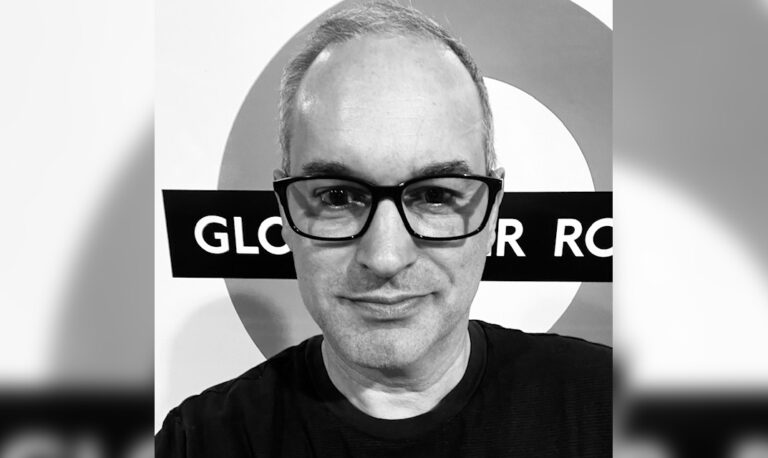
I did theater a little bit, but I fell into television, and I worked a little bit with NBC, and then I worked at Telsey + Company for a few years and did a bunch of shows for them. I ended up getting a call from Jonathan Strauss, who has done all of the Dick Wolf shows for years and years, and he said he was looking for someone to come on and work with him.
You just don’t turn an opportunity like that down. We’ve worked together for probably four years now, and he’s just the greatest. He’s so collaborative. He knows every actor. He has stories about every actor. I feel very lucky,
I’m intrigued by how network television has changed. What actors are you looking for to put on these shows? And are there different actors for network and for streaming?
I don’t know if there are different streaming actors and network actors. We just cast a new series regular on Chicago P.D. this year, Arienne Mandi, and she is also on Your Friends & Neighbors, the Jon Hamm show on Apple TV, so I do think that there is crossover.
I think our series regulars are people that want to work on shows for years and years and years, because we have such great runs, but I don’t know if that’s a different kind of actor.
How do you cast these shows?
To me, a good actor is a good actor, whether they end up on a theater stage or in a commercial. Certainly there are actors who might not want to do a certain type of show, but I feel we do see the same actors for everything.
A lot of the series regulars of the streaming shows, or like HBO, are movie stars, I think that’s the difference. They can carve out time in their schedule for eight episodes in the year, whereas we have 22.
Also, I think when casting the series regulars, the teams are looking for someone that inspires them, not only to bring the character to life, but also to write for them over years and years and years, which ultimately, truly, just comes down to a great actor, and an actor who brings a choice to the audition.
We’re still casting from tape, so it’s about whose tape has something inspiring to it? Whose tape is different? Everybody reads a serious scene very seriously, and then someone walks in and cracks a joke to break the tension. Those moments inspire the teams.
So then, working on these shows for years and years … how do you keep it fresh?
Well, luckily, we have new episodes all the time. It’s different people that you’re inspired by, and Jonathan and I, we love theater actors, so putting theater actors in is so fun. They’re great actors, and they historically have not been given the chance to be on TV shows.
For instance, Beth Malone from Fun Home, putting her in Chicago P.D., it’s like, “Why can’t she do it?” And she was great. Having those opportunities, that is what keeps me going.
Norm Lewis is one of my favorite theater actors of all time, and putting him on a TV show was one of the top moments ever in my career.
Casting someone who’s been on every TV show is great, but introducing the team to someone they don’t know, that, to me, is what’s fun. I have an agent that I work with who laughs at me. He said, “I think you’ve cast three Elphabas this season.” (Laughs) I’m not stopping until I get them all.
That’s about as lofty a goal as I think you can ask for. Let’s make sure every Elphaba ever is well employed!
No Elphaba left behind! That’s my goal! (Laughs)
So then finding new talent and giving them their first major opportunity must be enormously rewarding.
Yeah, totally. I think a big part of that comes from having good relationships with the agents and managers. It just happened last season on FBI: Most Wanted. This manager called and said, “I have this girl. She hasn’t done anything, but trust me, she’s amazing.” I’m always of the opinion you give someone an opportunity.
If they’re bad, that’s okay, but maybe they’re great. And this girl was amazing. She booked it. She had never even gone to a fitting before. Our teams, especially on the Dick Wolf shows, are so well oiled, and the series regulars are so comfortable at what they do, all the feedback I’ve heard from all the actors is, “Oh my God. It was such a great experience. So lovely, so warm.”
You see so many people on these different shows, with so many auditions you’re dealing with, whether it’s in person or on tape. What piece of advice or wisdom would you give to someone coming in to see you?
Well, it’s interesting, because I would say 80% of my friends are actors, and the thing that I hear from them, and from other actors, especially since COVID, is they need to have this crazy, elaborate setup. They need to invest in lights and mics and a whole room in their apartment, which is hard to do when you’re in New York City.
I think that’s not true. Even when I was in an office, the rooms that we would tape in were bad. Scratches on the back of the wall. You hear a siren on the street because you’re in New York City, music coming through the wall.
That’s just the way it is, so I always try to dispel that. We need to see you, and we need to hear you. That’s all we really need from a technical side.
And then I think it’s understanding both the role, and the role’s purpose in the script. Sometimes there are roles, especially in procedural shows, where you’re just giving information to the audience about something.
You have to be compelling, but it’s maybe not making a mountain out of a molehill. It’s keeping it grounded, especially costars.
That’s the biggest mistake I see. If you’re playing a cashier at a grocery store, checking someone out, maybe you’re not totally engaged and performing at a 10. You’re just zoning out and scanning the groceries.
Understanding your purpose in the script unlocks something for a lot of actors, when they see that, that they’re not necessarily the star of the show, and that’s okay. They still have such an important role.
Key Takeaways
- There is no rigid divide between “network” and “streaming” actors; strong performances and adaptability matter more than format.
- Simplicity in self-tapes is enough, as casting teams are focused on seeing and hearing the actor, not production-level polish.
- Understanding a role’s function in the story, especially for procedural guest roles and co-stars, is often the key to a successful audition.