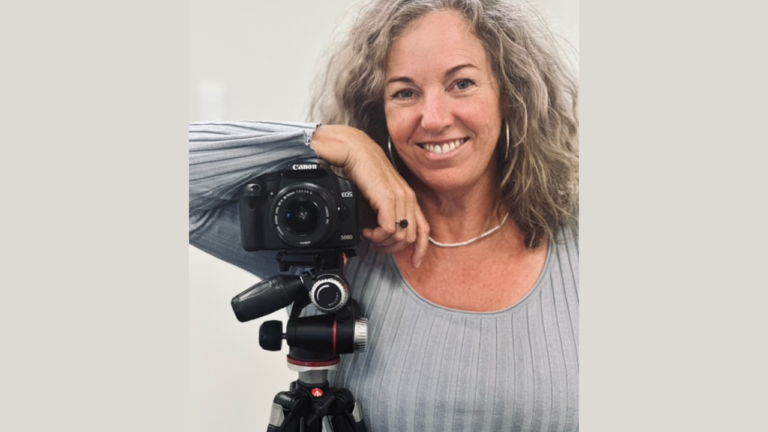

It takes a certain kind of person to work in the entertainment industry in the most remote city on the
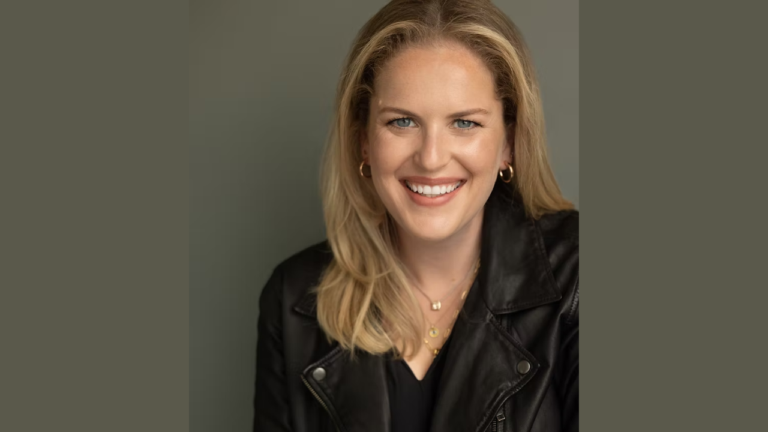
planet. You have to have a different take on things, a sense of humor, and not take yourself too seriously while also being really good at what you do, because there’s no safety net. It’s a good thing that Megan Carpenter nails all four of those qualities.
Setting up shop in Perth, Australia, had its risks, but she’s thriving, working in film, TV and commercials. A brand-new studio in town will mean more production coming its way, and Carpenter is well situated to see the benefits.
It starts with her latest film, the Daisy Ridley-led horror film, We Bury the Dead, currently in theaters. She spoke to us from halfway around the world, in her Perth office.
Key Insights
• Megan Carpenter’s background as an actor helps her design audition environments that reduce nerves and bring out stronger performances.
• Prioritizing work-life balance led her to build a sustainable casting career focused on commercials and local production.
• Detailed self-tape guidance and in-room empathy help level the playing field for performers working remotely.

How did you get into casting in the first place?
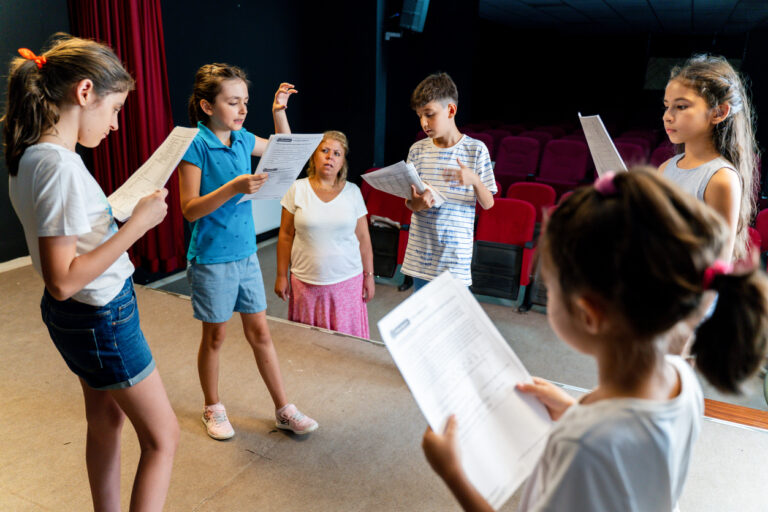
Very organically. I started off as just a humble actor in Perth, just doing my thing. Didn’t have any serious training, just stepped into it as a hobby, and very quickly, I was doing a fair bit of work. At the time, I was running a children’s entertainment company, and someone that I went in to do auditions with on a regular basis asked me to come and join them one day because they were [auditioning] 200 children and they knew I was good with them.
I helped them do that, and that was my starting with casting. I’ve [worked in] lots of different departments as well, producing, production managing, location managing, but with my heart coming from an acting background, I created my own casting company. And now, there’s just two of us in Perth, me and Annie Murtagh-Monks. We stay busy.
I talk to a lot of casting directors who came from acting, and inevitably there’s a light bulb moment where they realize that this is their calling, and not acting. What was that moment for you?
I sat with both of them for about 10 years, because I still do really love acting. I purposely put myself into audition moments at least once a year, just so I keep remembering what it’s like to be an actor and how nerve-racking auditioning is, because I think it’s really important as a casting director.
I remember how those nerves can take over, and how that presents yourself when you’re doing an audition. I remember doing this play. It was a 20-minute solo performance, monologue, and I had left the stage, and I was so, so sick. I just [said] to myself, “I don’t think I can do this to myself anymore.” That was the moment I knew that I’d probably just be doing behind the camera stuff.
You just worked with Bruce Beresford, who is a legend.
Honestly, the man is incredible. He’s brilliant, and what I loved about him the most is he would so often join me in the casting room. He would read with the talent. He didn’t want me to read, he didn’t want me to bring in a reader, he said, “No, it’s my script. I will read with the talent.”
That was wonderful for the talent. They got to meet Bruce Beresford and do a scene with him. And he’s a darn good actor himself.
You don’t just work in film or TV, right?
I don’t sit a lot in the feature film land. I did work in features a fair bit earlier, and I was getting a little bit burned out. They’re a hard slog, and I was doing a lot of production work, not just casting, but it’s a really hard lifestyle. I was a single mom at the time and not seeing my daughter very much. That was probably a light bulb moment for me as well.
I wasn’t having any work-life balance, so I needed to change that. I really pushed on the casting side of my job, because it meant I was home. I could set up a studio here, my daughter could come in and be with me, and I really focused on the commercial world, because there wasn’t a lot of a lot of work in the feature film world in Perth, then.
But things are changing in that regard, aren’t they?
Things are changing rapidly now, because we’ve just built a studio. Where we used to maybe get one feature through a year, we’re doing six a year now. So the landscape is changing very fast. We’ve been asking for a studio for 20 years, and finally our government has built one. It’s going to change the whole landscape of our industry here.
Can we back up for a second? I want to ask you about putting yourself out there to audition once a year to make sure you stay in touch with that side of things. I’ve never heard of anyone actually doing that before.
I’d never put myself forward for something I was casting, absolutely not. But recently, someone else was casting something they thought I would be good for, and I thought, “Well, why not?” That was a self tape, and I hadn’t really done a self tape in a very long time.
I wanted to put myself through that process as well, because I wanted to really look at how much more difficult it is for talent to do self tapes, and I believe it’s a huge difficulty. They should be in a studio with a casting director that gives them the right directions, gives them the right feel about what the project is and what the directors talked about. We always get a better performance from a talent if they’re in the room [rather] than a self tape.
I hear that over and over again, the good and the bad of self taping. You get to see more people, but lose so much of the room. With this experience, are you able to employ that to make the self-tape process easier for the people that they’re sending in?
I do try to put out a very, very detailed brief, including, “Please only stand less than three meters away from the camera. Please be in a well-lit room. Please use a mic. Please don’t get your mum to read with you. Call a friend, call an actor friend, bring an actor in with you so you don’t have to worry about the camera.”
You can just do your art without having to worry about all the other stuff. If it’s a really important audition, I do encourage them to pay for someone to do a test with you, a professional, but then that’s not fair because actors are spending money. But if it’s a really hot role for you, take away all the pressure of doing the filming yourself.
So then you are able to bring some of that into the exchange, level the playing field a bit and make it easier for people to show you what they can do without being in the room.
Yeah. When I was younger, I went to some really, really horrible auditions. Auditions where you had a director sitting there on his phone while you’re doing a scene that you’ve worked really hard to do. So it was imperative for me to make sure that my audition space is a really safe, nurturing space for the talent. I guess I’m very lucky in Perth, because we’ve got such a small pool here. I know pretty much everybody and everyone who walks in.
It’s such a friendly environment, and I can tell straight away if they’re having a bad day or if the nerves have got the better of them, because I know the nerves can get the better of me, too. So because I do go to the auditions and keep reminding myself how overwhelming it can be sometimes, when they come in and I can see that they’re not quite there because the nerves are affecting them.
I often say, “Okay, let’s just stop for a second. Let’s do this breathing exercise together, or let’s run on the spot together.” It’s really important to me that I help them as much as possible. I think if I don’t keep reminding myself how nerve-wracking auditions can be, I might not have as much care.
That feels like a perfect segue into my last question. What piece of advice or wisdom would you give to somebody who is coming in to see you?
Just enjoy yourself. I tell actors all the time, because I do workshops and lectures and things, I can have an actor come in for two years and they’ve got a good face and they want to be an actor, but they’ll bomb their auditions for two years, okay?
But I keep bringing them in because I believe the audition process is training. I mean, you should learn something from your audition. It’s a training ground, and it always takes about two years for talent for some reason.
They come in one day and they absolutely nail their audition, and when I ask that talent, “Okay, tell me what happened today that you haven’t done for the last two years, because you just smashed your audition. What was different today?” And everyone always [gives] exactly the same answer: “Megs, I actually came in and went, “I’m just going to have fun and enjoy myself today.”
Take all the pressure off of “I want the job. I want the job. I really want to get the job.” As soon as they do that and just enjoy their craft, they audition wonderfully. That’s my advice to actors. You’re getting to audition. What a great thing. Not a lot of people are getting the call, so just enjoy the moment.
Key Takeaways
• Use every audition as training, not just an opportunity to “get the job.”
• Create conditions that let you focus on your craft, whether in person or on tape.
• Let go of pressure and focus on enjoying the process to unlock your best work.