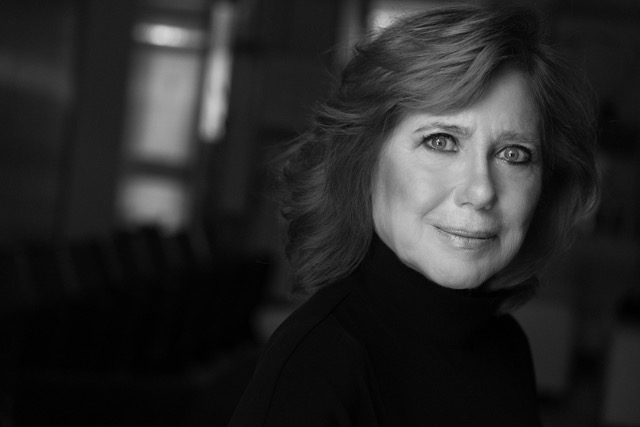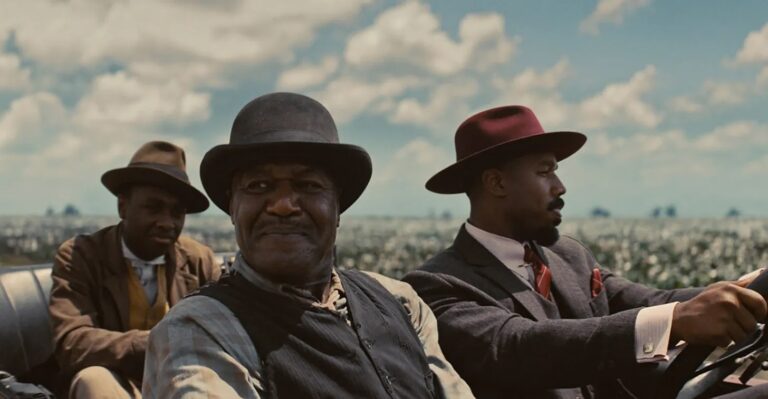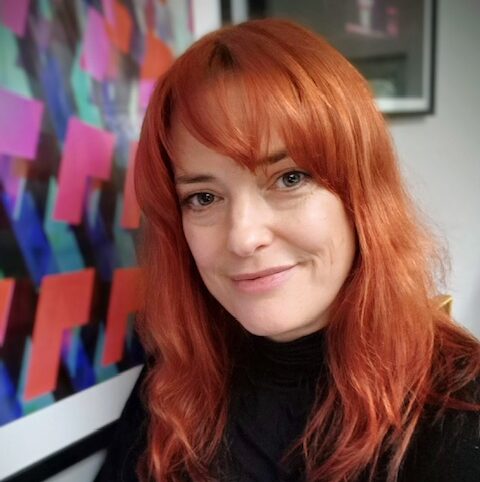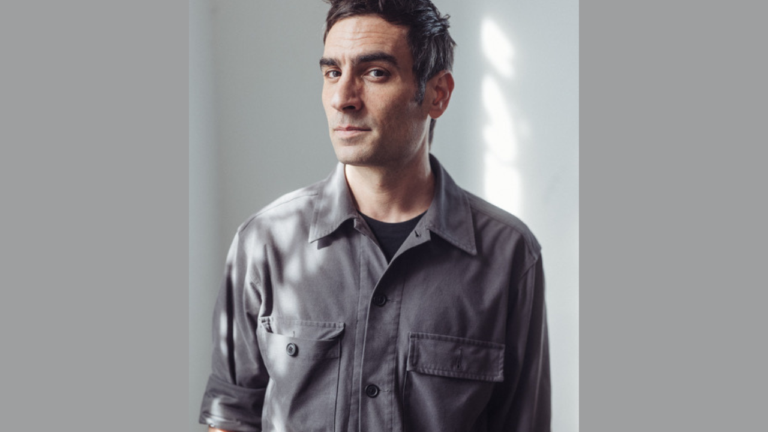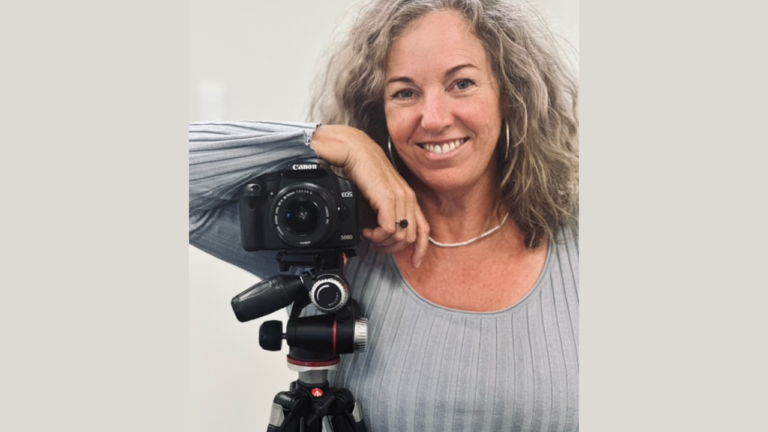

Lilia Trapani has casting in her blood. Literally. A second-generation casting director, Trapani has had a front row seat to the ongoing history of the Italian film industry. So many of the films and TV shows that come through her home country have also come through her office, including Gangs of New York, Eat Pray Love, Succession, and most recently, the latest adaptation of The Count of Monte Cristo (along with Laure Cochener and Jeremy Zimmermann), an eight-episode limited series that stars Sam Claflin and premieres March 1 on Amazon Prime.
She also is the author of the book, Being a Casting Director, which is part tutorial on the art of casting, and part advice manual for actors. It will be published by Anthem Press in May of 2027. She spoke to us from her office in Rome.
Key Insights
- Lilia Trapani has built a career bridging Italian and international film and television, most recently co casting The Count of Monte Cristo for Amazon Prime Video alongside global collaborators.
- The globalization of film and television has made English fluency a critical professional tool for non English speaking actors seeking access to international productions.
- While self tapes have expanded global access and efficiency, Trapani believes in person auditions remain unmatched for discovering nuance and shaping performance.

How did you get into casting in the first place?
With the chromosomes. My mother was the first casting director in Italy. When I was a student at the university and I wanted to work, I didn’t think at all to become a casting director, but she asked me, “You want to be my assistant?”
I said, “Okay,” and I enjoyed it. So when I finished my degree, I had to decide whether I could be a historian or a casting director. And eventually I decided to be a casting director.
I don’t often talk to a lot of second-generation casting directors. What was it about the craft that spoke to you?
It’s a very fascinating job. You have to deal with a lot of interesting people, with directors from everywhere in the world, with the actors, and it’s also, from a cultural point of view, very challenging, and it’s never boring.
Most of your work these days is in international productions. How do you coordinate with casting directors in other countries?
Well, that is very interesting. We had the English and British casting director, Jeremy Zimmerman, and then a French one, Laure Cochener, and me, but the show had to be shot in English, so it was mostly British actors. The challenge was to find, for me and for my French colleague as well, to find the local actors that spoke English sufficiently well to be hired for the job.
So it is always a little bit difficult in Italy. Not everybody speaks really good English, so it’s a challenge to find the right actor with the right knowledge of the language. But eventually it worked out very well, and we were very happy about the result.
Do you find that more local actors are learning English for that reason?
The situation is getting better with young actors, but still not enough, in my opinion, because they should understand that if they want to become an actor. They ask me, “What shall we do to become an actor?” And I say, “Learn perfect English,” because nowadays, most of the movies and the shows are shot in English, so they absolutely have to learn English.
Your upcoming book, Being a Casting Director, takes a global look at your profession. What led you to write it?
I decided to write it because our job is misunderstood. They don’t understand what it is about. They mix up with the cast, with agents, mostly, and then they don’t understand the creative part of our job. [People think] that we just pick up the phone and call people to ask if they are available, like a secretary. This is not what we do. So I really felt the necessity of explaining what our job is about.
There’s an American casting director named Kim Coleman, who works with Spike Lee. She said, “Spike told me, ‘I’m not hiring you to tell me to cast Denzel Washington. I’m hiring you to help me fill out the rest of the pieces of the puzzle.’”
Exactly, exactly. That’s what I write in my book. If you are hired for a job, you will not have to worry about the names, because before they hire you, they have already hired the leading roles, usually, so you will have to care for all the rest. And this is so important, because to have harmony, a good ensemble is really fundamental.
The book explains what we do for people that want to become a casting director, or for directors and producers who want to understand what they can get from a casting director. [It explains] why they should hire a casting director, and then for actors to understand how to deal with the casting director.
Why is it important for actors to read your book?
The second part of the book is to explain how to approach a casting director, how to prepare an audition, how to do an audition in person, how to do a self tape, how to prepare a show reel.
All these sorts of things that should help an actor to get a role. Because very often there are extremely good actors, but they are not able to [promote] themselves.
Do you find that transcends borders? Do actors in Italy, France, England, America, wherever, do things the same way?
Well, I think that, for instance, British actors are much more aware of what they have to do. More professional. I once did a casting for a TV show which was called Unwanted, and I had to cast a little British girl of 11. I went through [UK casting platform] Spotlight, and I got 450 proposals, out of which I choose maybe 70.
All these little girls sent me professional, perfect self tapes. I was really astonished. Here in Italy, we are not at this level. Nevertheless, young actors that start to work, they need to get instructions, and this book is for everyone, not just adults, but also for young actors just starting out.
I know how much fun it is interviewing casting directors, so I imagine this process of talking to others in your profession must be very enjoyable for you.
Yes, it is very interesting. It’s very different from one country to another, especially in countries where the industry is not as developed. Like Eastern Europe, for instance, it’s different because they don’t have agents. They have to [find people] through the schools and the theaters. They have also a smaller amount of actors, local actors, of course.
You’ve been doing this your entire adult life. How much has the industry changed over the years?
Well, in Italy, when I started casting, it was very difficult to be hired for Italian movies because they didn’t use to hire casting directors. The casting was done by the AD mostly, or they just called the people that they already knew. So I worked initially on a lot of commercials.
This also gave me the possibility to meet many, many actors. I had my own studio with my own camera, and so on. This was very useful too, to make my own database, and then I worked mostly with international productions, because they wanted a casting director in Italy.
I would think the advances in technology have made your life and your work a lot easier, right?
It is good and bad. Now self tapes are the norm, but I prefer to do auditions in person, because there I can really work with the actor, try to get out of them what I know they can do, what is their best, which I cannot do when they send me self tapes.
When I ask for a self tape, I always write as much information as I can, but it is never the same thing as auditioning in person. On the other hand, I can see many more actors with the self tapes, and I can cast worldwide. So it has its pluses and its minuses, yes.
With that in mind, what piece of advice or wisdom would you give to someone coming in to audition for you?
First of all, learn the scene very well, because if you don’t know the lines, you will always, while you audition, try to remember the lines and not pay attention to your acting. So learning wild lines is very important. Try to be as natural as possible, and try to understand who the character is.
If you have doubts, ask questions. Don’t change yourself, be natural, [unless otherwise] requested. And if you do a self tape, then learn how to do it properly. Learn how the background should be — the light, the audio — because if you do a bad self tape, you are wasting your time.
Key Takeaways
- Casting is a creative, strategic craft focused on building a cohesive ensemble, not simply calling in actors or filling pre selected lead roles.
- Actors who want to compete internationally must invest in language skills, technical self tape quality, and strong audition preparation.
- Trapani’s forthcoming book Being a Casting Director aims to demystify the profession for directors and producers while giving actors practical tools to present themselves effectively.