
There’s something specific about being a location casting director. You are not only an expert on the region of the world where you live, you’re also an expert on the talent who lives there. The more popular the location, the more valuable the location casting director becomes, which is why Ryan Glorioso is so popular.
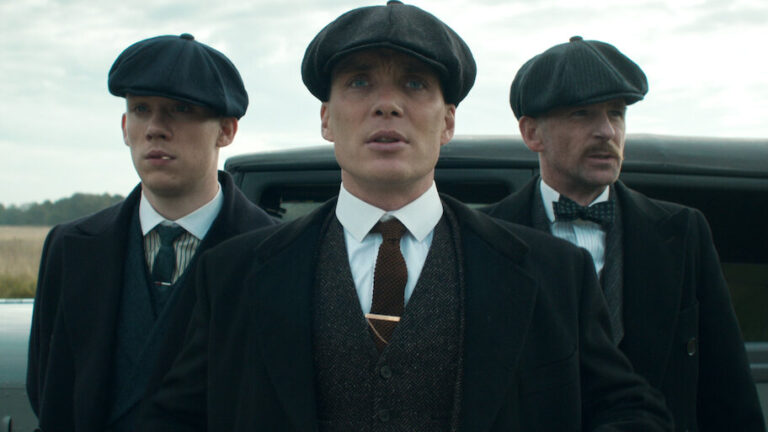
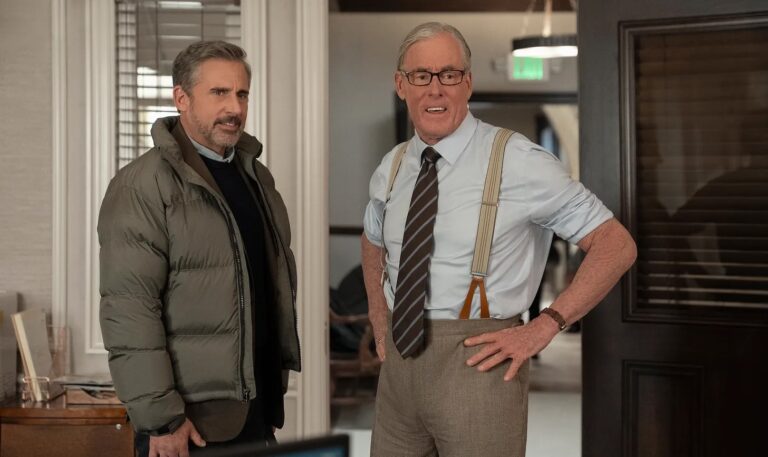
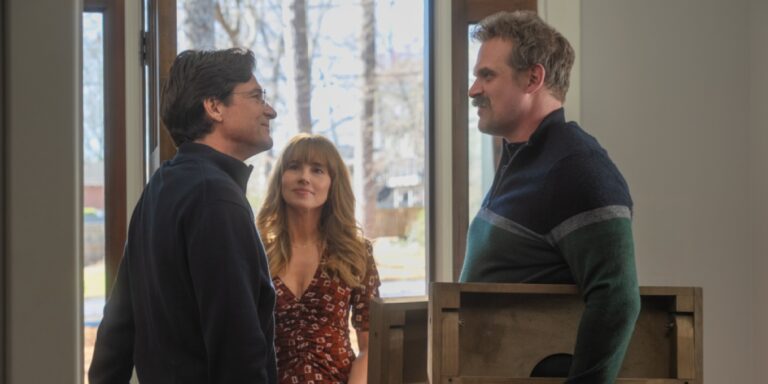
One of the most sought-after casting directors in New Orleans, Glorioso has over 150 credits on his resume, and if there’s something shooting in or around the Big Easy, chances are he has something to do with it. Movies like Quiz Lady, The Passenger and The Boogeyman, plus TV series like Twisted Metal and Mayfair Witches are all some of his handiwork, as is the new Netflix show Boots.
Glorioso has also earned a pair of Artios nominations for his work. He spoke to us from New Orleans.
Key Insights
• Location casting requires deep regional knowledge of both geography and talent, making local casting directors invaluable as production hubs grow.
• Glorioso’s transition from actor to casting director allowed him to channel his performance training into championing and shaping other actors’ careers.
• Tax incentives directly shape the health of regional film industries, creating cycles of boom, slowdown, and reinvention for local creatives.
How did you get into casting in the first place?
I started out as an actor here in New Orleans, mostly theater, and had actor dreams for a long time. I moved to LA and lived there for about eight years, until 2004. I was pushing 30 and wasn’t feeling it the same way anymore.
So my husband and I just decided to move to back to New Orleans at the forefront of the tax incentive program here. I started working in extras casting with a local company when I first moved back. It was a huge Disney movie called Glory Road.
There were probably 10 of us in this office that were booking extras on this movie, and it was a real introduction because it was 12-plus hour days, most days were 16 hours, and it was every day. It was really hard, but then after that project, I let them know about my background and said if they needed help running casting sessions or anything, “I’m your guy.” That spun into me working for them.
These were kids right out of college that went to film school, and Glory Road was their second movie and they’re running this whole department. So we kind of grew [up] together. I worked for them for a year or two, then Hurricane Katrina hit and that pushed me up to Shreveport with a whole contingency of film people.
The company I was working for ended up dividing their time between New Orleans and Shreveport, and then the work dried up for them in Shreveport, but I was committed to Shreveport, so I stayed and I bought a house there, and that’s when I started Glorioso Casting. It was really film school for me, because the first year that my company was in business, we did 16 film and television projects.
It was mostly extras casting at that point, but over the course of five years, before moving back to New Orleans, I was able to really create a casting company with a brand in the Southeast. It was really good.
Let me back up for a second. Your first gig you’re working 12, 16 hour days, it’s really hard, and a lot of people you were working with in that room would have said, “Yeah, I don’t think this is something that I want to do.” But not you. What was it that spoke to you about it?
You really hit the nail on the head with that, because in that period, I was trying to figure out what to do with my life. I was transitioning from these dreams of acting and my husband said at the time, “What are you doing? Why are you doing this?”
I said, “I think I’m on to something here. I think I really like this, and it could develop into a real career path for me.” So I just committed to it. The nature of extras casting itself is, you’re dealing with real people, most of whom had never done this before.
A lot of times, people don’t show up, and that’s where the PTSD comes in, because it’s five in the morning, and you need 10 more people and it took me five days to get 10 people to commit to this in the first place! (Laughs)
In the Shreveport days and the early New Orleans days, I had five to 10 people working for me just doing extras casting, but I typically say no if I’m called for extras casting these days and handle the location casting.
So what was the light bulb moment for you, when you knew this was it?
When I realized I’m good at this and I understand how to do it. I’m a hustler in that way where I can see opportunities, and how someone can fit into an opportunity. Understanding that skill was a little bit of a light bulb moment, and also I genuinely enjoyed it. I had never let myself do anything else except be an actor, from age nine to 30 or 31.
Then I started allowing myself to do other things within the industry and became okay with not being an actor, and the door just opened up for me. If I did a good job on a film, we would be recommended to do the next film that came to town, and then the next one, and it snowballed. With what I get to do in principal casting, it feeds my actor side, because I get to work with actors and read with them.
I get to work out scenes and feed my life’s training as an actor. And getting to book the actor and let them know they got the job, getting to the finish line, is such a thrill for me. “We all did this thing and now it’s in your hands. Go do your thing on set and make everybody proud.”
I hear that a lot, the magic of that moment when you get to tell somebody they booked a job is like Christmas, and it never gets old.
Yeah, it really is nice, and you don’t realize, especially in this area, having done it for so long here and seeing a lot of the same actors repeatedly, because we obviously have a smaller pool, some of them going at it for five-plus years without booking anything.
Then when they finally do, I’m surprised by that. “Oh, my God, this is your first guest star? I can’t believe I get to give you this. This is amazing!” Yeah, it can be thrilling.
The Louisiana tax rebates started about 20 years ago, roughly the time when you started casting there. Which means you are something of a walking archive of the history of the film business there. What was it like when it started, and how has it evolved over the years?
It was a bit of a gold rush, and I was figuring it out a lot as I went. We’ve seen some really, really strong periods through the time that I’ve been here, and we’ve seen some down times.
It generally coincides with our state legislature wanting to change the tax incentive program that we have in the state. That essentially gets blasted out to the industry.
“Oh, Louisiana is losing their their tax incentives.” Then studios decide, “Oh, well, we probably shouldn’t commit to going there.” That’s what the downturns usually coincide with. We’re definitely having a downturn now. A lot of indies.
What are the best parts of doing so much local casting in New Orleans, as well as the biggest challenges?
The best part for me is I get to nurture local talent. I love new actors. I love giving folks their first opportunities and seeing them shine. Sometimes there are folks who elevate way beyond what we do here and become stars, or at least working actors.
So that aspect of it is a real thrill for me. I guess one of the downfalls would be sometimes the limitations to what’s available to us. We have a really strong talent pool in New Orleans, obviously, so when someone’s hiring me to do local casting, they want you to find local actors.
We cover a talent pool within the Southeast, so we do have an expansive reach because I’m seeing actors from Atlanta or someone who might be amazing who’s just sitting on a farm in Mississippi somewhere, but sometimes we get producers who are primarily in it to get that tax incentive on the local hire, and I’m limited with only being able to hire within Louisiana so that they can get their tax incentive.
That can be a little binding, though I know the actors that are local appreciate that because they want to be the ones who are considered. Ultimately, we have to find the best actor for the role, and sometimes it has to go outside of the confines of state lines.
With all that in mind, all the people you see and the nature of your work, you still obviously have an enormous amount of people coming in for auditions for all the things you’re working on. What is the one piece of advice or wisdom would you offer to someone coming in to see you?
Have confidence and just be prepared. If I’m not confident in what you’re doing, or if you’re not confident in what you’re doing, there’s no way I can be confident in sending you to set. Confidence goes the longest of ways, but you do still need to know how you’re doing what you’re doing. Have
some training, have some technique, and get out of your head.
Key Takeaways
• Sustainable casting careers are built through hustle, adaptability, and long-term relationships within a regional industry.
• Local casting thrives on nurturing new actors while balancing creative needs with financial and tax-driven production constraints.
• Confidence, preparation, and solid technique are essential for actors hoping to earn trust and book work in competitive regional markets.